Without question, one of the main hurdles you will face with becoming a heavy equipment operator is gaining field experience. You need equipment, schooling, and property to practice on.
With "AI" rapidly replacing white collar professions, more and more people are moving into trades, which require practical skills and technical knowledge. Today’s ambitious professional’s are replacing a four-year college degree with learning a trade, which is accelerated through apprenticeships or vocational school; providing very good pay, stability and a promising career.
The Mass Hosting Practical Training course will put you in the driver's seat and teach you real world scenarios designed to make you stand out to employers. In addition to the instructor led education, you will be given several hours of practice time in a machine. This will give you the opportunity to build muscle memory, and build your confidence as you pursue your career.
About the Training
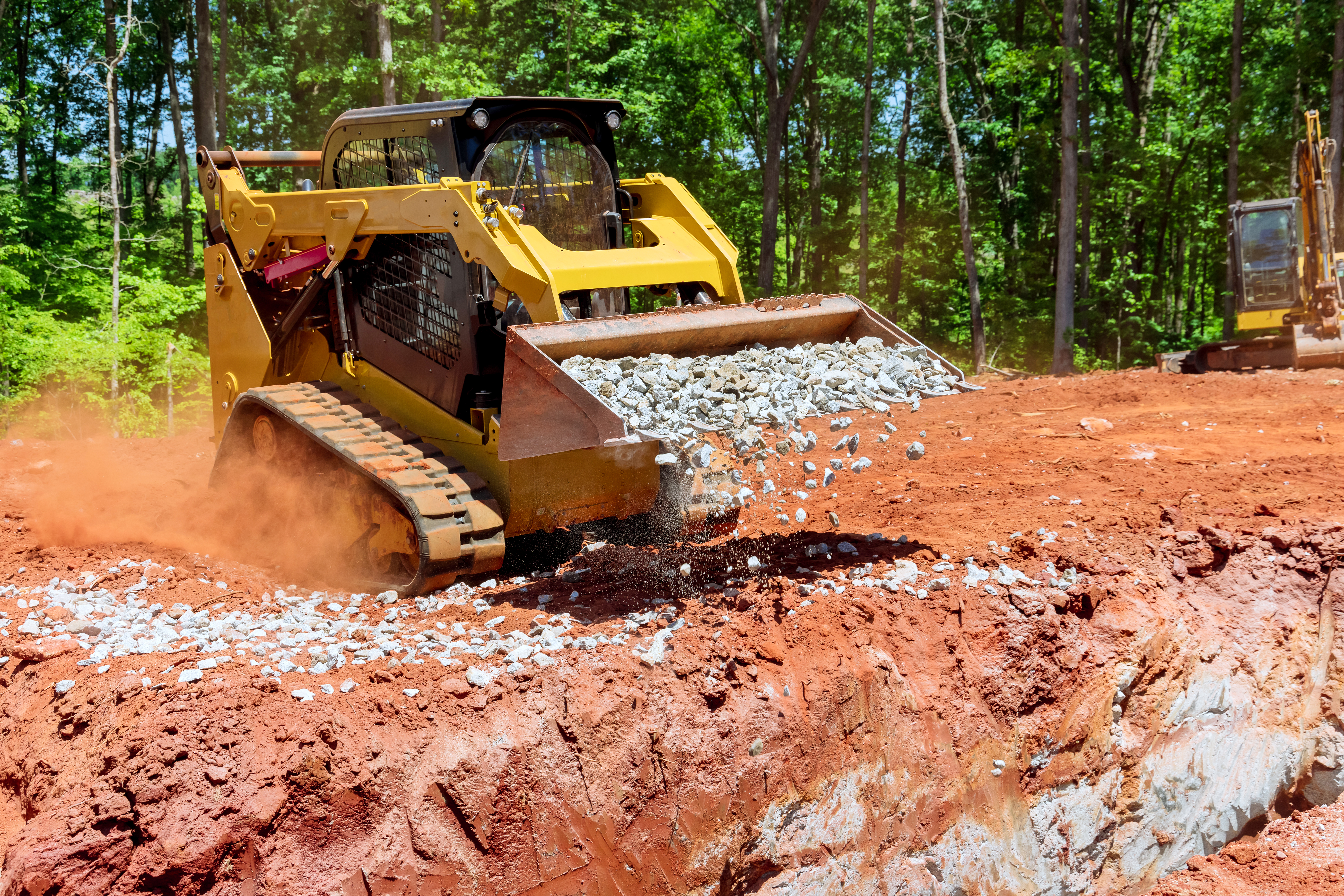
Training packages include excavators and skid-steers. Each training package will teach you both field knowledge and equipment operation. This will be comprised of both classroom instruction and field demonstration to create a real life scenario. During operation, your small group will be in constant communication with the instructor via a high-end radio headset to guide you through the process.
Upon completion of the course, you will have 10 hours of practice time which can be used over the next 4 months.
Skid Steer Package
- $2999 -
Financing Available
Schedule will be announced soon!
This skid steer course will teach students how to operate machines efficiently without damaging them.
Instruction focuses on smooth control inputs, correct bucket engagement, proper turning techniques, hydraulic awareness, and driveline protection—skills that reduce downtime, and extend machine life, which will meet employer expectations.
Students learn how to:
Identify leaks, loose fasteners, tire or track damage, chain case issues, and attachment wear before failures occur.
Understand how high RPM, abrupt directional changes, and dead-heading hydraulics over-stress pumps, motors, and chain cases.
Learn why slamming into piles, dropping loads, and snapping controls causes cracked quick-attach plates, bent loader arms, and premature pin wear.
Use correct approach angles and square engagement to avoid twisting loader arms, bucket mounts, and couplers.
Learn when to pivot, when to roll turns, and how aggressive counter-rotation damages tires, tracks, hubs, and ground surfaces.
Maintain proper bucket height and machine balance to prevent tip-forward stress, frame fatigue, and unnecessary wear.
Proper cool-down and parking techniques to protect turbochargers, hydraulics, and electronic controls.
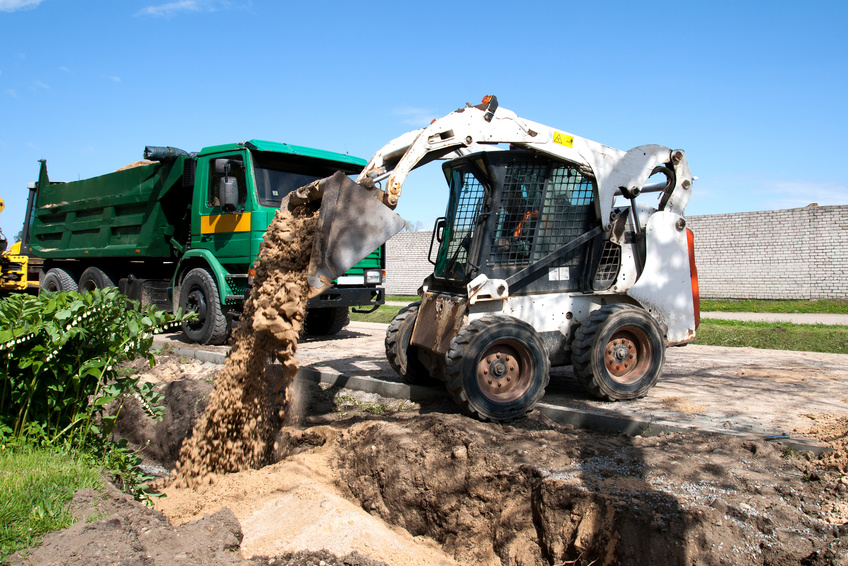
Operating standards which reflect the primary concerns of employers.
Improper machine operation is one of the leading causes of equipment damage, downtime, and preventable repair costs. Employers expect operators who understand how their actions affect machine longevity, safety, and productivity—not just whether the job gets done.
These standards align with what employers care about most: protecting equipment, reducing downtime, and ensuring operators work safely and professionally from day one.
For employers, poor operating habits cost far more than slow production. This training addresses the behaviors that most often lead to damage, downtime, and lost revenue.
Course Location
143 Hedges Pond Rd, Plymouth, MA 02360